
News
Blog
My Blog…
A Mortgage CRM
Here is a simplified, roadmap-style summary of how to build a Mortgage CRM.
The Core Concept
A generic CRM (like Salesforce) manages sales. A Mortgage CRM manages the loan lifecycle. It must handle strict financial compliance, integrate with banking systems, and track a loan from “Lead” to “Funded.”
Phase 1: The Core Features (MVP)
The system needs to manage two main things: People and the Process.
-
Lead Intake: Automatically grab leads from websites (like Zillow) and create a profile.
-
The Loan Pipeline (Kanban Board): A visual dashboard moving the loan through stages:
-
New Lead → Application → Processing → Underwriting → Clear to Close → Funded.
-
-
Automation:
-
Updates: When a loan moves to “Underwriting,” the system automatically emails the borrower and realtor.
-
Marketing: Automatic birthday wishes or “Rate Drop” alerts to past clients.
-
-
Document Portal: A secure login for borrowers to upload sensitive docs (tax returns, pay stubs) safely.
Phase 2: The Data Structure
Mortgage data is relational. Your database needs to link these four entities:
-
Users: Your internal team (Loan Officers, Processors, Admins).
-
Contacts: External people (Borrowers, Co-borrowers, Realtors).
-
The Loan: The financial deal (Amount, Interest Rate, Property Address, Status).
-
Activities: History of calls, emails, and notes tied to that loan.
Phase 3: Recommended Tech Stack
Security and data structure are more important here than in a standard app.
-
Frontend (The Look): React or Next.js. Best for building complex dashboards and drag-and-drop pipelines.
-
Backend (The Logic): Node.js (good for real-time notifications) or Python (better if you plan to add AI for calculating rates later).
-
Database (The Storage): PostgreSQL. You need a structured, SQL database for financial data.
-
Storage: AWS S3 with encryption enabled for storing borrower documents.
Phase 4: Critical Integrations
Your CRM cannot live in a bubble. It must communicate with the mortgage ecosystem via APIs:
-
Loan Origination System (LOS): The software banks use to actually underwrite the loan (e.g., Encompass, Calyx).
-
Pricing Engines: Tools like Optimal Blue to fetch live interest rates.
-
Communication: Twilio or SendGrid for sending automated texts and emails.
Phase 5: Security & Compliance (Non-Negotiable)
Because you are handling “Personally Identifiable Information” (PII) like Social Security Numbers, security is the top priority.
-
Encryption: Data must be scrambled (encrypted) when stored in the database and when moving over the internet.
-
Audit Logs: You must track who looked at a file and when.
-
Permissions (RBAC): A “Junior Loan Officer” should only see their own clients, whereas a “Manager” can see everything.
Next Steps
-
Mockups: Sketch the dashboard. How does a Loan Officer view their pipeline?
-
The “Hook”: Why would a lender buy this? Usually, the answer is “It automates the updates that Loan Officers forget to send.”
-
Build vs. Buy: Are you building a SaaS product to sell to many lenders, or a custom tool for just one?
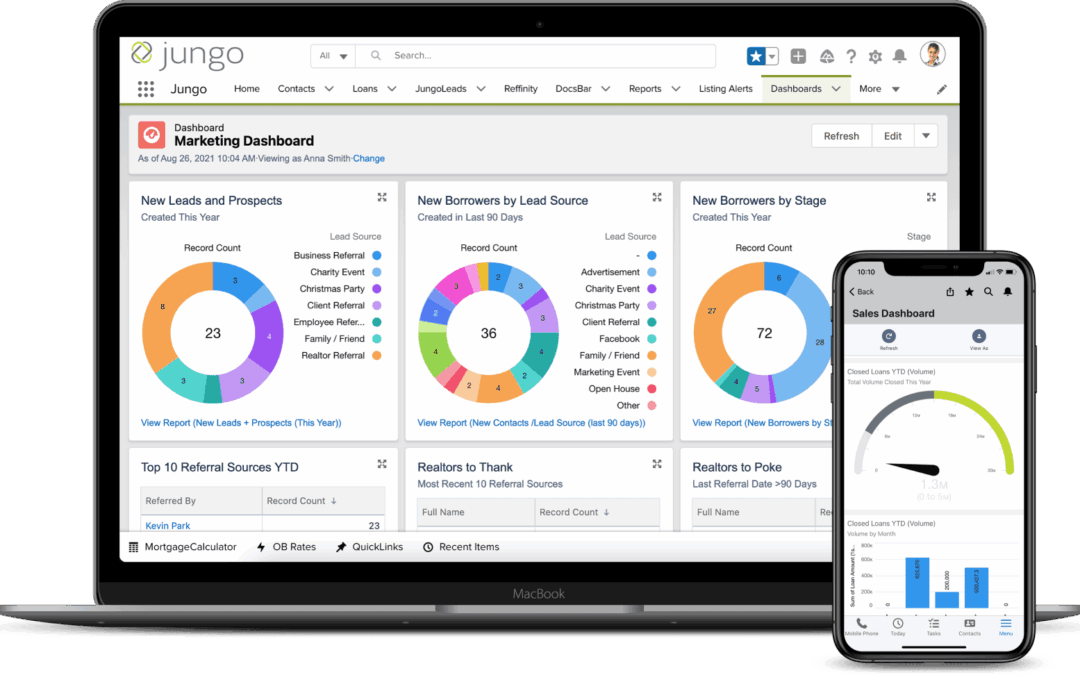
Building a Mortgage CRM
News